.svg)
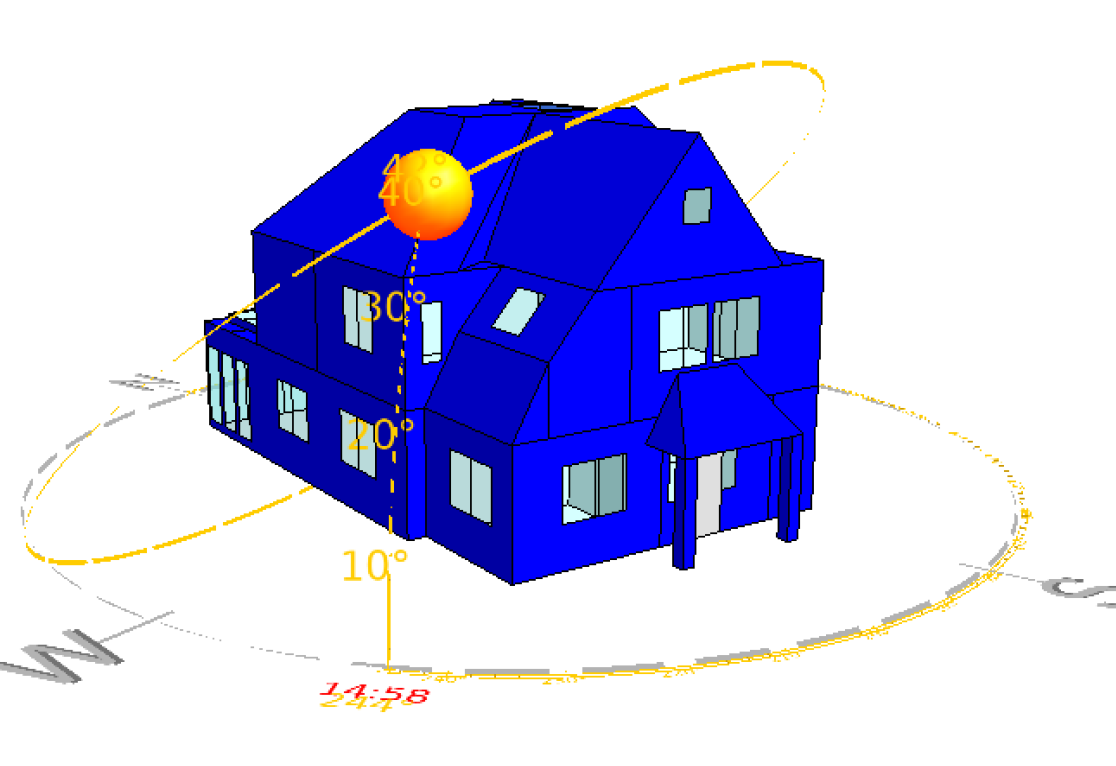
To get a quote for SAP calculations, simply give us a call on 01827 284488, or fill in our contact form and a member of our team will be in touch shortly.
We require the following details to provide an accurate survey price:
Once you've accepted our quote, we’ll just need your invoicing details. And you'll receive the report with 5 working days.
Get my free quote now
SAP ratings range from 1 to 100+, where 100 represents zero energy cost and higher scores indicate better energy efficiency. This scoring system provides an intuitive way to understand a property’s energy performance, with each point representing measurable improvements in efficiency.
Properties scoring above 100 are net energy exporters, generating more energy than they consume through renewable technologies and exceptional thermal performance. These high-performing dwellings demonstrate the potential for residential buildings to contribute positively to the energy grid rather than simply consuming resources.
The sap rating considers multiple performance factors working in combination. Construction methods determine baseline thermal performance, while heating systems and their controls affect energy consumption patterns. Internal lighting specifications and renewable technologies can significantly boost ratings by reducing overall energy demand.
Energy used for space heating, water heating, lighting, and ventilation systems forms the core of sap calculations measure assessments. Each element receives detailed analysis, with the heating system often having the most significant impact on overall energy efficiency rating performance.
SAP ratings directly inform Energy Performance Certificates (EPC) that buyers and tenants review before making property decisions. A higher sap score translates to better energy performance certificate epc ratings, potentially increasing property values and marketability while reducing long-term energy cost burdens for occupants.
Bat surveys are specialist ecological surveys used to assess whether bats are present in a building, tree or wider site, and to understand how they use the area.
Bats and their roosts are legally protected, so if your development could affect them, the planning authority will often require evidence from professional bat surveys before granting permission.
A bat survey typically looks at the potential for roosts within buildings, trees and other structures, as well as how bats use the surrounding habitats for commuting and foraging.
The information gathered is then used to decide whether the proposal can proceed as planned, whether mitigation is required, or whether a bat licence will be needed to authorise works.
-min.jpg)


Professional ecological surveys and reports to support planning applications across the UK.

Bat surveys are usually requested when a planning application involves works to buildings or trees that provide suitable roost features, such as older houses, barns, converted buildings, bridges, mature trees or structures close to good feeding habitat.
They are also common where demolition, roof alterations, loft conversions, extensions or tree works are proposed, or where previous ecological assessments have identified bat potential on the site.
Local planning authorities rely on bat surveys to ensure that any risk to bats and their roosts is properly understood and managed before works start.
If your planning officer, validation team or architect has advised you that you need a bat survey, or if your ecology report refers to further bat work, it is important to arrange this in line with the correct seasonal windows.
Bat survey work normally begins with a daytime Preliminary Roost Assessment. During this visit, a licensed bat ecologist inspects buildings or trees to look for signs of bats, such as droppings, staining and feeding remains, and assesses the availability of roosting features like gaps under tiles, lifted lead flashing or fissures in trees.
The structure is then given a level of bat roost potential based on standard guidance. If the potential is assessed as low, moderate or high, follow-up dusk or dawn activity surveys are often required.
These emergence and re-entry surveys involve ecologists watching the building or tree at specific times, using bat detectors to record bat calls and confirm whether bats are roosting and in what numbers.
On some sites, further activity surveys may also be used to understand how bats use the wider land for commuting and foraging, particularly where a development may affect key routes or feeding areas.
All of this work is carried out using recognised methods and, where necessary, under appropriate bat survey licences. The results are brought together in a clear bat survey report that sets out methods, findings, interpretation and recommendations, and can be submitted directly to your local planning authority as part of your application.
If bat surveys confirm that bats are present, this does not automatically prevent development, but it does mean that the project must be carefully planned. We work to find practical solutions that allow your scheme to proceed while protecting bats and complying with the law.
This might involve retaining and protecting existing roost features where possible, designing replacement roost spaces within the new or altered structure, or providing dedicated bat boxes and other roost structures nearby. In some cases, timing restrictions on works or specific construction methods may be recommended to minimise disturbance.
Where a roost will be affected and cannot be avoided, a bat licence from the relevant statutory authority is likely to be required. We can prepare the licence application, including the method statement and supporting plans, and guide you through the process so that the necessary permissions are in place before works start.
Throughout, our focus is on clear, workable mitigation that fits with your project and can be implemented by your contractor, while satisfying planning and licensing requirements.
If you have been told you need a bat survey, the best next step is to share your site address, a brief description of the proposed works, any planning reference or ecology-related comments, and, if you have them, photos or plans of the building or trees in question.
We will review the information, advise what level of bat survey is appropriate for your project and provide a clear fixed-fee quote for the survey and report.
From initial inspection through to any required activity surveys, mitigation design and licensing support, we can help you navigate the bat survey process and keep your planning application moving.



.svg)

.svg)
.svg)
.svg)


