.svg)
To get a quote for SAP calculations, simply give us a call on 01827 284488, or fill in our contact form and a member of our team will be in touch shortly.
We require the following details to provide an accurate survey price:
Once you've accepted our quote, we’ll just need your invoicing details. And you'll receive the report with 5 working days.
Get my free quote now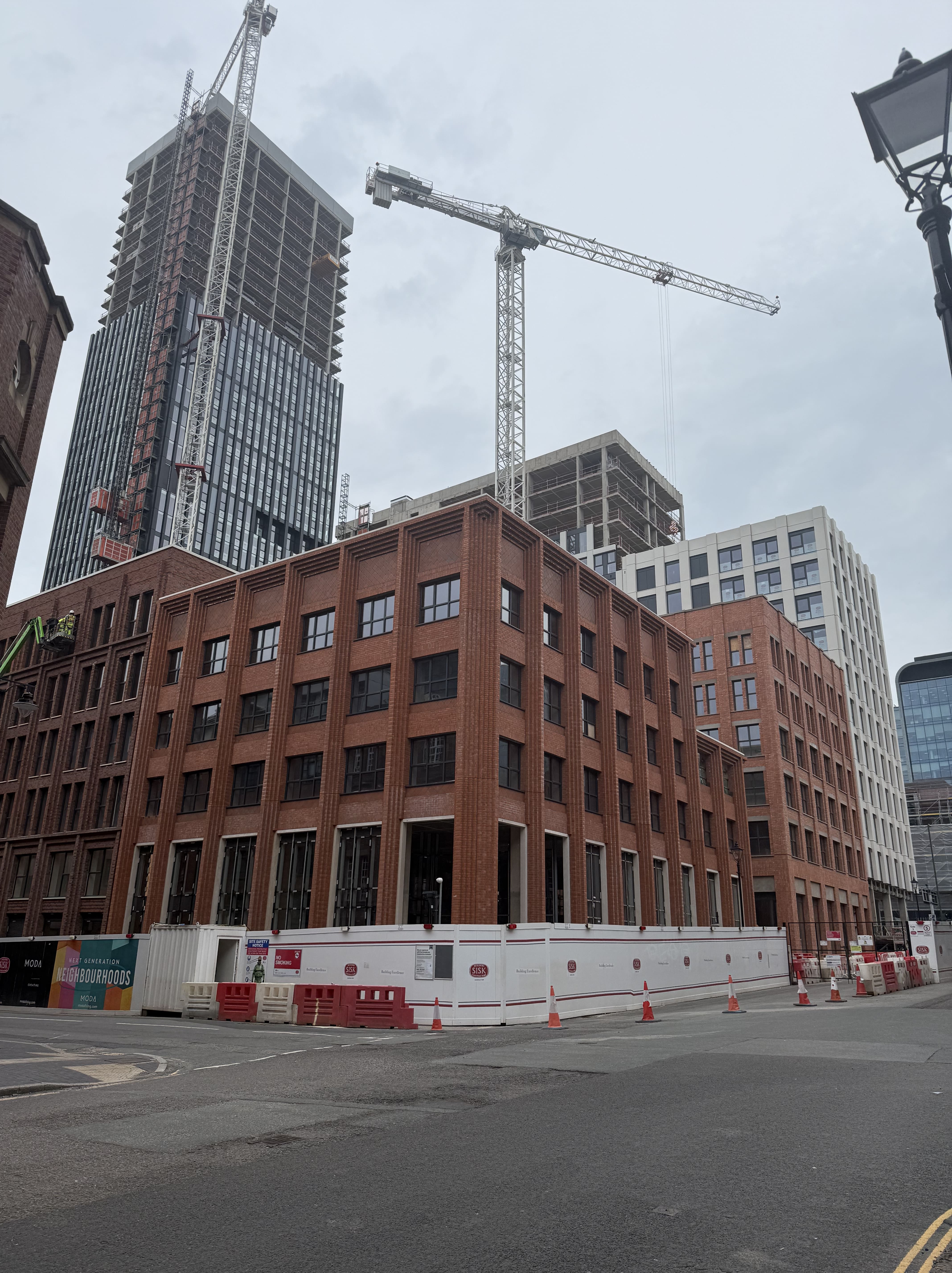
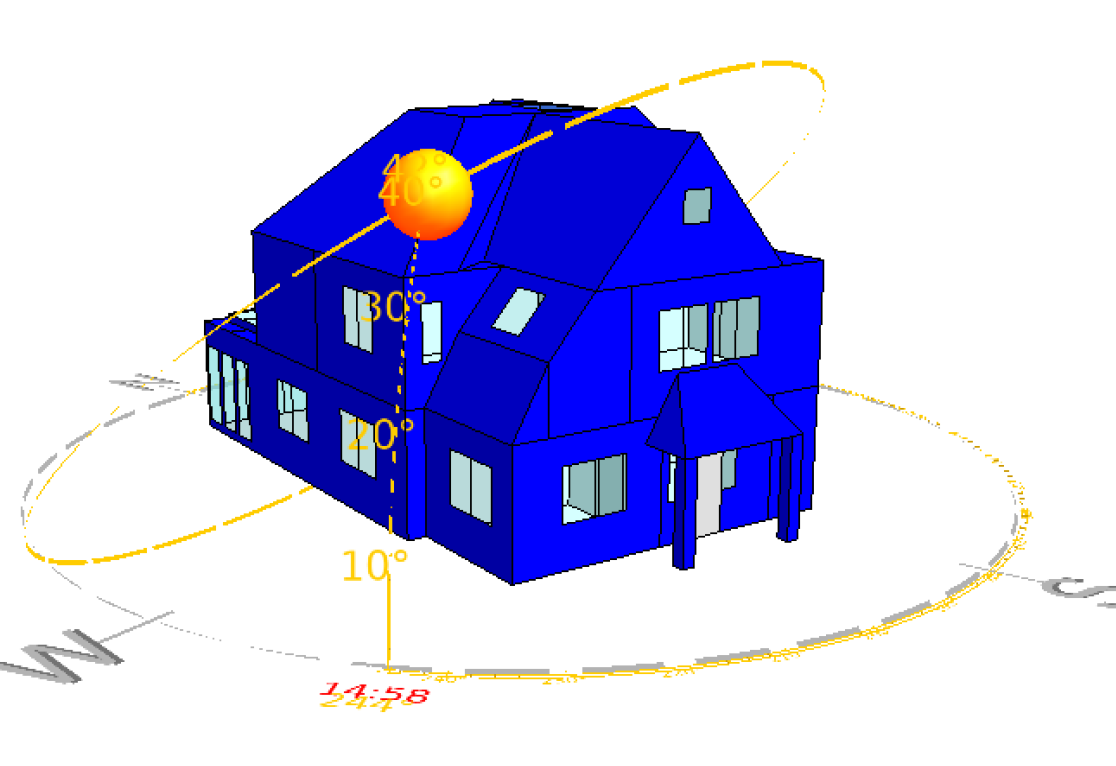
SAP ratings range from 1 to 100+, where 100 represents zero energy cost and higher scores indicate better energy efficiency. This scoring system provides an intuitive way to understand a property’s energy performance, with each point representing measurable improvements in efficiency.
Properties scoring above 100 are net energy exporters, generating more energy than they consume through renewable technologies and exceptional thermal performance. These high-performing dwellings demonstrate the potential for residential buildings to contribute positively to the energy grid rather than simply consuming resources.
The sap rating considers multiple performance factors working in combination. Construction methods determine baseline thermal performance, while heating systems and their controls affect energy consumption patterns. Internal lighting specifications and renewable technologies can significantly boost ratings by reducing overall energy demand.
Energy used for space heating, water heating, lighting, and ventilation systems forms the core of sap calculations measure assessments. Each element receives detailed analysis, with the heating system often having the most significant impact on overall energy efficiency rating performance.
SAP ratings directly inform Energy Performance Certificates (EPC) that buyers and tenants review before making property decisions. A higher sap score translates to better energy performance certificate epc ratings, potentially increasing property values and marketability while reducing long-term energy cost burdens for occupants.
Biodiversity Net Gain is an approach to development that leaves biodiversity in a measurably better state than before.
Instead of simply avoiding or reducing ecological harm, BNG requires you to quantify the habitats on a site, assess how a development will change them and then demonstrate that the finished scheme delivers an overall increase in biodiversity compared with the baseline.
This is usually measured using an official biodiversity metric that converts habitats into numerical “units”. By comparing the baseline units with the post-development units, and factoring in habitat condition, distinctiveness and strategic importance, it is possible to show whether the project achieves the required net gain.
BNG has moved from being good practice to a firm expectation in planning policy and, for many developments, a legal requirement.
-min.jpg)


Professional ecological surveys and reports to support planning applications across the UK.

Biodiversity Net Gain is increasingly required by local planning authorities as part of planning applications, especially for residential, commercial and infrastructure developments that result in habitat loss or change.
Many councils now expect applications to include a completed biodiversity metric calculation, a clear strategy for delivering net gain on-site or off-site, and long-term management proposals. In practice, BNG often comes into play when greenfield land, semi-improved grassland, hedgerows, trees, ponds, or other semi-natural habitats are affected.
It can also be relevant on previously developed land where pockets of valuable habitat have developed over time. If your planning officer, validation team or policy documents refer to BNG, biodiversity metric, net gain units or habitat creation targets, you will almost certainly need a structured BNG assessment and plan to support your application.
Our BNG service begins with establishing a robust baseline for your site. Using field survey data and habitat mapping, we classify habitats in line with the relevant biodiversity metric and assess their condition, distinctiveness and area or length. This baseline is then entered into the metric to generate a clear, numerical picture of the existing biodiversity value.
We review your development proposals, work with your design team to understand layout and infrastructure, and translate the proposed habitat losses, changes and creations into the same metric. This allows us to calculate the net change in biodiversity units and see whether the project delivers the required level of gain.
Where there is a shortfall, we explore options to adjust the layout, improve the quality of retained habitats, introduce new habitat areas, or incorporate features such as wildflower grassland, native planting, hedgerow creation, ponds and other enhancements, always in a proportionate and realistic way for the site.
If on-site options are limited, we can advise on off-site or unit-based solutions in line with policy. The outcome is a clear BNG strategy and metric calculation that can be submitted to the planning authority, often supported by an accompanying Habitat Management and Monitoring Plan that shows how created and enhanced habitats will be established and maintained over the long term.
We approach Biodiversity Net Gain as a design opportunity rather than simply a constraint. By getting involved early, we can help shape layouts, open space, landscaping and drainage features so they work for both biodiversity and the wider scheme objectives.
We focus on measures that are deliverable on the ground, manageable over the required time period and aligned with the character and context of the site. Throughout the process we keep communication clear and accessible, explaining the metric results, the implications of different design options, and the most efficient ways to achieve the target net gain.
Our aim is always to produce a BNG solution that satisfies policy and legal requirements, supports the planning case and adds genuine ecological value, without imposing unnecessary complexity or cost.
If you have been asked for a BNG assessment, we can help.
When you contact us, please include the site address and postcode, a brief description of your proposal, any planning reference or ecology-related comments from your local authority and an idea of your timescales or key deadlines.
We will review the information and provide clear advice and a fixed-fee quote for your BNG ecology survey.



.svg)

.svg)
.svg)
.svg)


