.svg)
To get a quote for SAP calculations, simply give us a call on 01827 284488, or fill in our contact form and a member of our team will be in touch shortly.
We require the following details to provide an accurate survey price:
Once you've accepted our quote, we’ll just need your invoicing details. And you'll receive the report with 5 working days.
Get my free quote now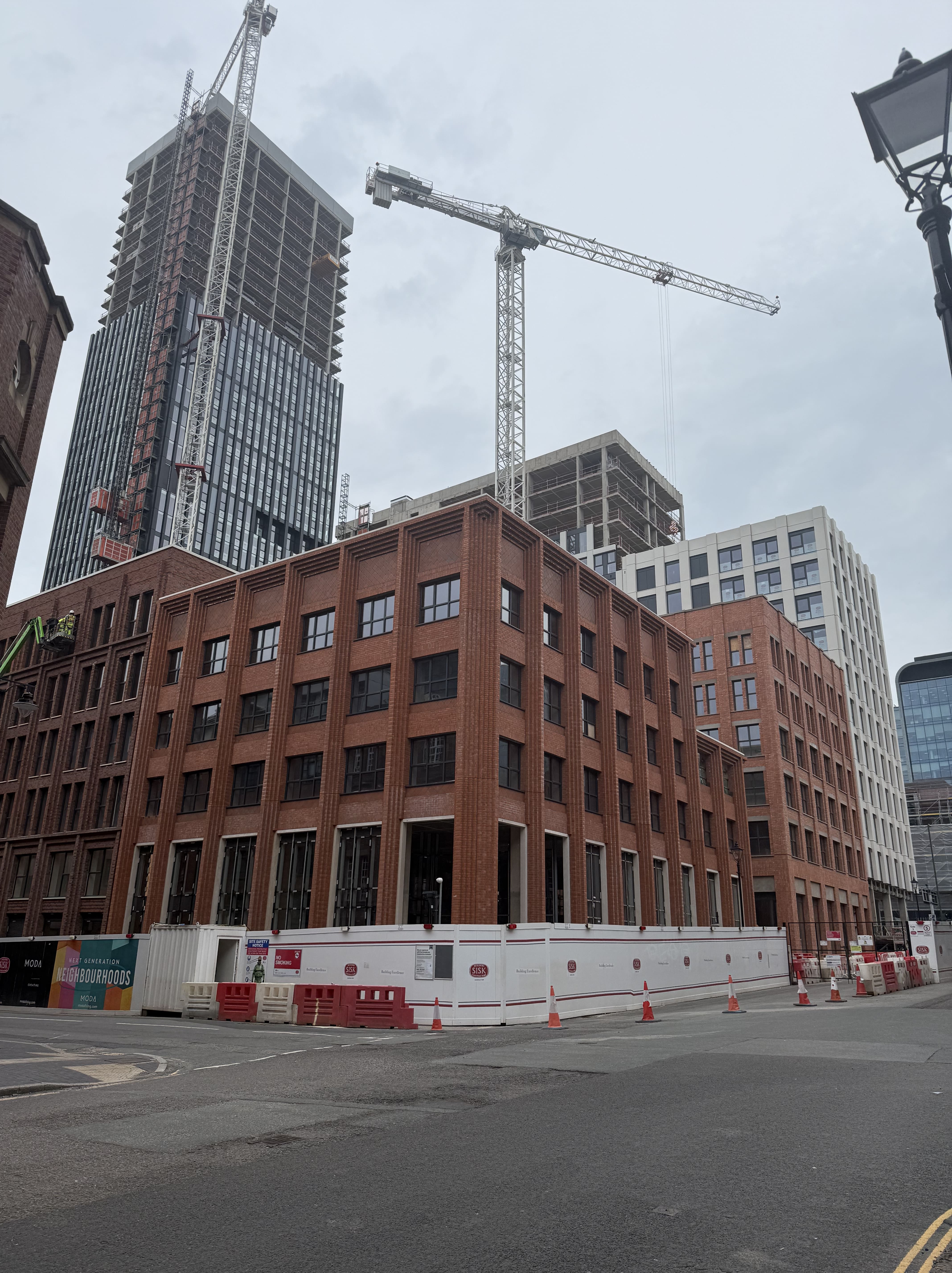
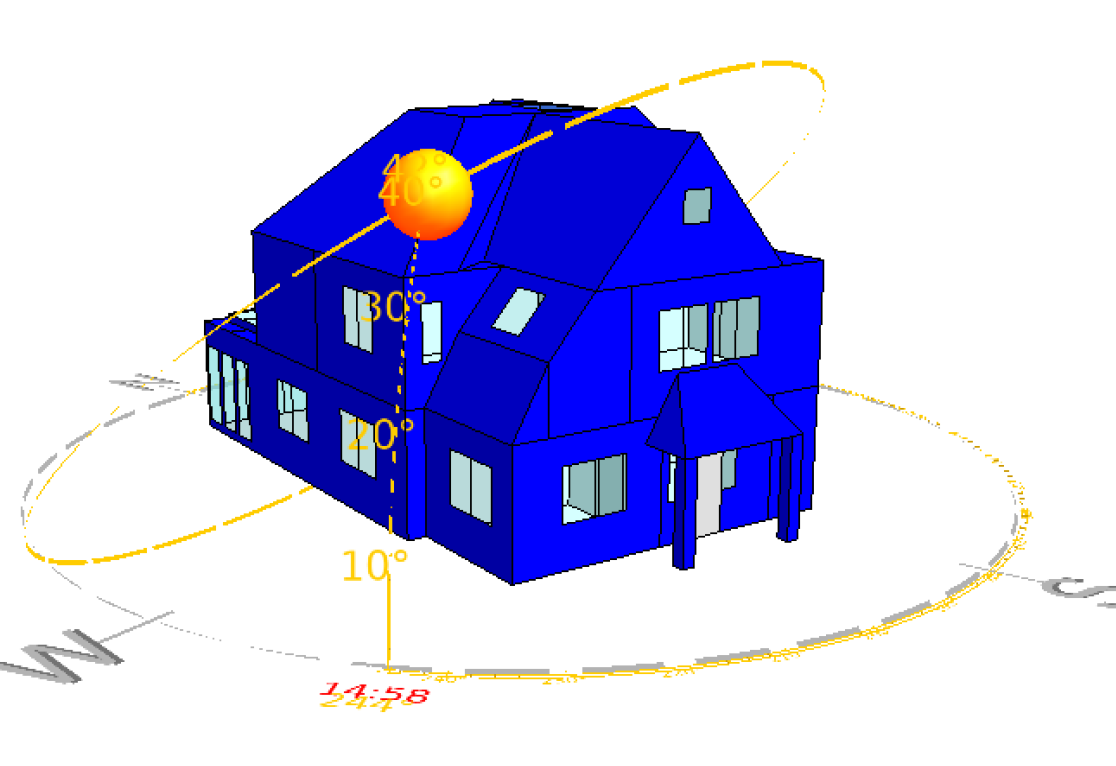
SAP ratings range from 1 to 100+, where 100 represents zero energy cost and higher scores indicate better energy efficiency. This scoring system provides an intuitive way to understand a property’s energy performance, with each point representing measurable improvements in efficiency.
Properties scoring above 100 are net energy exporters, generating more energy than they consume through renewable technologies and exceptional thermal performance. These high-performing dwellings demonstrate the potential for residential buildings to contribute positively to the energy grid rather than simply consuming resources.
The sap rating considers multiple performance factors working in combination. Construction methods determine baseline thermal performance, while heating systems and their controls affect energy consumption patterns. Internal lighting specifications and renewable technologies can significantly boost ratings by reducing overall energy demand.
Energy used for space heating, water heating, lighting, and ventilation systems forms the core of sap calculations measure assessments. Each element receives detailed analysis, with the heating system often having the most significant impact on overall energy efficiency rating performance.
SAP ratings directly inform Energy Performance Certificates (EPC) that buyers and tenants review before making property decisions. A higher sap score translates to better energy performance certificate epc ratings, potentially increasing property values and marketability while reducing long-term energy cost burdens for occupants.
A PEA is a rapid ecological assessment of your site and its surroundings. It combines a desk-based review of existing ecological information with a site walkover survey undertaken by a qualified ecologist.
The desk study typically looks at existing records of protected and notable species, information on designated sites in the wider area, and aerial imagery or mapping that shows how the land has been used.
This helps us understand the ecological context before we even set foot on site.
The site visit is where we map habitats and assess their condition and value. The ecologist will record the main habitat types present, such as grassland, scrub, woodland, hedgerows, ponds or watercourses, and will look for signs of, or potential for, protected and priority species.
Buildings, mature trees, waterbodies and dense vegetation receive particular attention because they often support bats, birds, amphibians, reptiles or mammals. In many cases, a preliminary bat roost assessment of suitable buildings and trees is carried out as part of the PEA. The outcome is an early, proportionate view of the ecological issues on site and a clear indication of the next steps.
-min.jpg)


Professional ecological surveys and reports to support planning applications across the UK.

Most planning authorities now expect a PEA, or an equivalent ecological report, to accompany development proposals wherever there is any realistic chance that wildlife could be affected. You are likely to need one if you are submitting a planning application for new development or a change of use, especially if your site includes or lies next to semi-natural habitats such as woodland, hedgerows, scrub, grassland, ponds or streams.
Even previously developed land can be important if it still supports vegetation, trees or waterbodies, and many urban sites provide opportunities for bats and nesting birds. A history of ecological records or designated sites in the local area also raises the likelihood that the council will expect ecological information.
Commissioning a PEA early in the design process is almost always the best approach. By understanding your ecological constraints from the outset, you can make informed decisions about layout, access, landscaping and timescales. This avoids the common situation where ecology is only considered at the point of submitting a planning application, only for the local authority to request additional information that cannot be collected out of season or at short notice.
Once instructed, we begin with a desk study. This involves gathering available ecological data for the site and its zone of influence, including records of protected and notable species from local records centres, information on statutory and non-statutory designated sites, and any previous ecological reports if they exist.
Aerial photographs and digital mapping are used to identify features such as ponds, tree belts, green corridors and areas of hardstanding or buildings. This stage helps to shape the focus of the field survey and highlight any obvious risks in advance.
The site walkover is then carried out by an experienced ecologist. During this visit, habitats are mapped and classified, usually using a standard system such as UK Habitat Classification, and their ecological value is assessed. The ecologist notes any features that may be particularly important, such as mature trees with cavities, continuous hedgerows, waterbodies, dense scrub or rough grassland.
They also look for direct signs of protected species, such as badger setts, reptile basking areas, bird nests or evidence of bat roosts, and assess the suitability of the site to support them even if no animals are seen on the day.
After the fieldwork, we bring the desk study and site visit findings together. We evaluate the ecological importance of the habitats and features recorded, identify the likely impacts of the proposed development and set out whether further, more detailed species-specific surveys are required. Where impacts are anticipated, we recommend practical avoidance, mitigation and compensation measures, and we highlight opportunities for biodiversity enhancement, including potential Biodiversity Net Gain measures where these are relevant.
A good PEA does far more than simply tick a box for your planning application. It helps you identify ecological constraints before they become problems, so you can design around them rather than reacting to them at the last minute. By understanding what habitats and species are likely to be affected, you can plan realistic timescales and budgets for any further surveys, mitigation or enhancement required.
Ecology can then be integrated into the heart of the design, rather than bolted on as an afterthought, which almost always leads to better outcomes for both the project and for wildlife.
For the planning authority, a robust PEA provides professional evidence that you have taken biodiversity seriously and that you are complying with relevant legislation and policy. This reduces the risk of objections, requests for additional information and avoidable delays. For you, it provides clarity and confidence: you know where you stand, what needs to be done and how to move forward.
If you have been told you need a PEA, the best next step is to share your site address, a brief description of the proposed works, any planning reference or ecology-related comments, and, if you have them, photos or plans of the building or trees in question.
We will review the information, advise what level of bat survey is appropriate for your project and provide a clear fixed-fee quote for the survey and report.



.svg)

.svg)
.svg)
.svg)


